
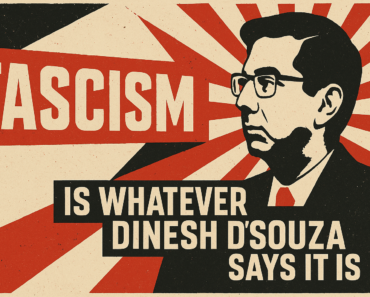
Category: Culture Wars & Identity Politics
A clear-eyed breakdown of cultural conflict in modern society. This section explores how identity, group narratives, and ideological branding shape everything from politics to personal relationships. No yelling, no theatrics—just sharp analysis on how tribes form, why they clash, and what it means for ordinary people trying to make sense of the noise.
The Culture Wars & Identity Politics category examines one of the most defining social forces of the modern era: the rise of identity-based conflict. From debates over race, gender, class, and national belonging to the polarization amplified by social media algorithms, culture wars have become a constant presence in public life. This category analyzes how these conflicts emerge, why they escalate, and how political leaders, activists, influencers, and media organizations use identity narratives to mobilize supporters and frame public opinion.
Identity politics has evolved from an academic concept into a global flashpoint, shaping elections, legislation, and everyday interpersonal dynamics. Here, we explore the psychological, sociological, and historical forces driving identity-based movements on both the left and the right. Topics include tribalism, group identity formation, ideological signaling, moral outrage cycles, and the economic and technological pressures that intensify cultural divisions.
Instead of treating culture wars as a spectacle, this category approaches them with clarity and nuance. It identifies the strategic incentives behind political messaging, the emotional triggers that make certain narratives spread, and the hidden feedback loops between media ecosystems and public perception. By understanding how identity politics operates, readers gain a deeper sense of why society feels increasingly divided—and what it might take to reduce polarization rather than inflame it.
This section is designed for readers who want serious, grounded analysis without partisan drama. Whether you’re studying cultural trends, researching political strategy, or trying to understand how identity shapes modern storytelling, this category provides a foundation built on evidence, critical thinking, and a commitment to context over sensationalism.