
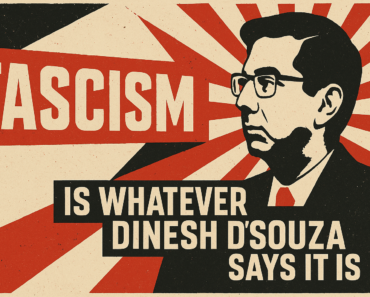
Category: Media Outlets & Influencers
Media Outlets & Influencers cuts through hype, bias, and branding to explain how modern media ecosystems actually work. This section analyzes how news organizations, digital creators, platforms, and personalities shape public perception, drive narratives, and influence culture. Clear, grounded insight without drama or partisanship.
The Media Outlets & Influencers category provides a clear, evidence-based breakdown of how modern media systems shape what people see, think, and believe. In an era where news organizations, influencers, content creators, and digital platforms compete for attention, this section analyzes the incentives, business models, and strategic narratives driving today’s information landscape. Rather than framing media as a culture-war battlefield, this category looks at the underlying mechanics: how audiences are targeted, how stories are framed, and how platforms amplify—or distort—the messages that reach the public.
Here, we examine the full spectrum of contemporary media power. Topics include newsroom decision-making, partisan media ecosystems, influencer marketing, algorithmic amplification, attention economics, reputation-building strategies, and the growing convergence between entertainment, journalism, and personal branding. We explore how influencers cultivate parasocial relationships, how creators navigate platform incentives, and how legacy outlets adapt to declining trust and shifting consumption habits.
This section also investigates how political actors, corporations, and advocacy groups leverage media channels—traditional and digital—to shape public opinion. We analyze misinformation dynamics, media manipulation techniques, crisis communication strategies, and the evolving role of independent creators who increasingly rival mainstream institutions. By focusing on structural forces rather than sensational narratives, this category reveals why certain stories spread, why others disappear, and how influence is constructed in the modern attention economy.
Designed for readers who want clarity rather than spectacle, this category offers grounded, contextual analysis of the people, platforms, and power structures defining today’s information environment. It’s a guide to understanding not just who has influence, but how—and why—they have it.